

Carpet Cleaning Dry Time: What to Expect (and How to Speed It Up)
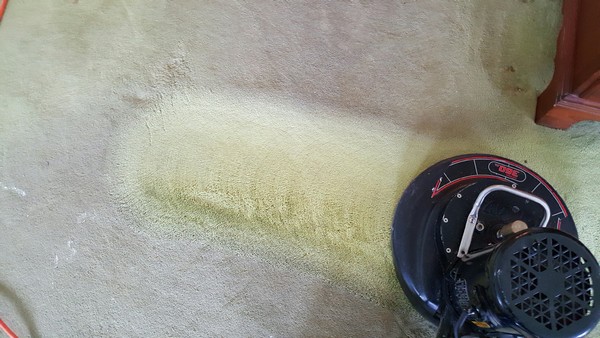
If you are planning a visit with All Clean Carpet & Upholstery Cleaning in Colts Neck, you probably want to know how long carpet cleaning dry time really takes. The short version is that well-extracted carpets in typical Monmouth County homes return to normal use the same day. Below, we explain what affects dry time in our local climate and how our professional carpet cleaning process moves air, manages humidity, and gets rooms back in service quickly.
What Affects Carpet Dry Time in Colts Neck Homes
Dry time is a balance of fiber type, the amount of moisture used, and how well that moisture is recovered and moved out of the carpet. Our area adds another layer: seasonal humidity and big temperature swings from spring to winter.
- Carpet construction: dense plush and deep piles hold more water than low, tight weaves.
- Soil load: heavier soil needs more rinsing, which can extend the drying window.
- Cleaning method: hot water extraction and low‑moisture systems leave different amounts of residual moisture.
- Air movement and temperature: steady airflow and stable indoor temps support faster evaporation.
- Local humidity: coastal air and summer dew points in Monmouth County can slow evaporation, especially in shaded or lower‑level rooms.
Homes near the Swimming River Reservoir or along tree‑lined lanes off Route 34 often see cooler, shaded rooms that dry more slowly than sunny upstairs spaces. We factor that into placement of air movers and our final extraction passes before we leave.
What “Same‑Day Dry” Looks Like
Same‑day does not mean minutes. It means your family can move through rooms with normal patterns later in the day once fibers are no longer damp to the touch. We achieve this by pairing measured application of solution with strong recovery so excess moisture is removed from the pile and backing. That balance protects carpet appearance and supports indoor air quality.
On a typical Colts Neck appointment, living rooms and bedrooms dry on a similar timeline. Stairs and landings, which get extra attention for wear and safety, may need a little longer. Area rugs set over wall‑to‑wall carpet must wait until both layers are fully dry to avoid trapped moisture and color transfer.
Fans vs HVAC: How Pros Choose Air Movement
Portable air movers are the workhorses for directing air across the carpet face yarns. We stage them to create a low, fast stream that lifts moisture away from fibers without over‑cooling the room. For whole‑home circulation, your technician may set the HVAC fan to “On” for a short window so the system pulls and redistributes air through returns and supplies.
Opening windows is not always helpful near the Shore, especially on muggy days. When outdoor dew points are high, bringing in that air slows evaporation. Our team checks current conditions and uses interior airflow first, then supplements with fresh air only when it will actually make drying faster, not slower.
Typical Dry‑Time Windows by Cleaning Method
Different methods leave different moisture profiles. We match the method to your fibers, soil level, and schedule.
- Low‑moisture systems: often dry within a few hours when paired with targeted air movement.
- Hot water extraction with strong recovery: commonly same‑day drying, with heavier piles taking longer.
- Specialty treatments for pet issues or heavy soil: may extend the window to protect fibers and backing.
No matter the method, the goal is consistent: remove soils thoroughly, leave minimal residue, and move just enough clean water through the pile to rinse without overwetting. That’s how carpets look brighter, feel softer, and dry predictably.
What to Expect on Cleaning Day in Monmouth County
Our crews arrive in clearly marked vehicles and walk rooms with you. We note fiber types, traffic lanes, spots that may need extra attention, and ventilation details like supply vents and open interior doorways. Then we set a drying plan before we clean, not after.
Here is how that plays out in most homes from Laird Road to Bucks Mill:
First, we remove as much dry soil as possible. Fine grit holds moisture the way beach sand clings to skin, so thorough vacuuming sets the stage for faster evaporation. Next, we treat only what is needed, then rinse with calibrated pressure and temperature for your carpet type. Finally, we perform slow extraction passes on dense areas and position air movers to sweep across the pile, not directly at it.
Before we leave, we confirm a safe re‑entry plan that fits your routine. Walk paths may open first, followed by full room use later the same day. We also point you to our detailed process overview on the main carpet cleaning page if you want a refresher.
Humidity Impact Around Colts Neck and the Jersey Shore
Monmouth County’s weather can swing fast. Spring storms and fall nor’easters push moisture into the air, while summer afternoons often bring high dew points. Basements and first‑floor rooms near shaded trees hold that moisture longer than sunny second stories.
That’s why the same house can see different dry times room to room. A family room near a slider to the patio might dry more slowly than a bright upstairs bedroom. We plan for that, staging airflow where it matters most and adjusting technique for plush piles, wool blends, and synthetic fibers that behave differently under humidity.
For a broader look at timing service through the year, our local guide on how often to schedule professional cleaning explains why seasonal patterns across Monmouth County change how carpets hold on to soil and moisture.
Why Professional Extraction Matters for Faster Drying
Fast drying is earned during cleaning, not after. High‑performance vacuums, metered solution flow, and deliberate recovery passes remove the bulk of moisture at the machine, not by waiting. That is the core difference between professional systems and small machines that leave more water behind.
Residue matters too. Detergents designed to rinse clear help fibers release water and stay cleaner longer. Sticky residues can bind dust and slow evaporation, which is why we use low‑residue chemistry and test in inconspicuous areas before wider application.
Special Cases That Can Extend Dry Time
Some projects need a wider window to get the right result. Thick, plush carpet in formal spaces, heavy traffic lanes that collected winter salt, and rooms with significant pet issues sometimes require extra dwell and rinse cycles. We plan additional extraction and airflow for these rooms so you still reach same‑day usability whenever possible.
Large, open first floors common in Colts Neck colonials can also create pockets where air is calm. In those cases, we angle air movers to create a gentle cross‑breeze at carpet level. In finished basements, we coordinate with whole‑home air to keep temperatures steady while we direct airflow across the pile.
Keep kids and pets off damp carpet until it is fully dry. Light footprints are fine on designated walk paths, but full traffic should wait for the go‑ahead your technician provides during the final walk‑through.
How We Communicate Your Return‑to‑Use Timeline
Before we wrap up, we give you a simple, room‑by‑room plan so there is no guesswork. You will know which areas open first, which need a little more time, and how we’ve set airflow to support the plan. If something changes, you can reach a real person at 732-492-3300 for quick guidance.
We also share care notes tailored to your home. For example, rooms near mudrooms in Marlboro and Freehold often show wear sooner and benefit from extra extraction on exits and stairs. Upstairs rooms with more sun usually return to normal use earlier, and we time our final passes to match that pattern.
Do not place area rugs back down until both the rug and the carpet underneath are fully dry. This protects colors, prevents musty odors, and keeps air moving where it needs to go.
Answering the Big Question: “How Long Does It Take?”
Because every home and season is different, we give a personalized window when we arrive and refine it before we leave. In Colts Neck’s moderate, dry conditions, many rooms are ready the same afternoon. On humid days, we widen that window so fibers finish safely without risk to the backing or pad.
If you want a deeper dive into timing, airflow choices, and allergy concerns during peak pollen months, our local post on Monmouth County IAQ is a helpful read. It unpacks how filtration and moisture control work together when the goal is comfort and breathing, not perfume.
For homeowners comparing companies, you will find straight talk about method, extraction, and results right on our home base for carpet cleaning in colts neck, nj. It explains our approach in plain language and shows how we tailor service to different floor plans and fiber types across the Township.